
ADIA Lab Summer School: Responsible AI in the Generative and Agentic AI Era,
in collaboration with the University of Granada, Spain
Speakers

Francisco Herrera received his M.Sc. in Mathematics in 1988 and Ph.D. in Mathematics in 1991, both from the University of Granada, Spain. He is a Professor in the Department of Computer Science and Artificial Intelligence at the University of Granada and Director of the Andalusian Research Institute in Data Science and Computational Intelligence (DaSCI). He’s an academician in the Royal Academy of Engineering (Spain).
He has been the supervisor over 60 Ph.D. students. He has published more than 600 journal papers, receiving more than 170000 citations (Scholar Google, H-index 190). He has been nominated as a Highly Cited Researcher (in the fields of Computer Science and Engineering, respectively, 2014 to present, Clarivate Analytics). He acts as editorial member of a dozen of journals.
His current research interests include among others, computational intelligence, information fusion and decision making, trustworthy artificial intelligence, general purpose artificial intelligence and data science.
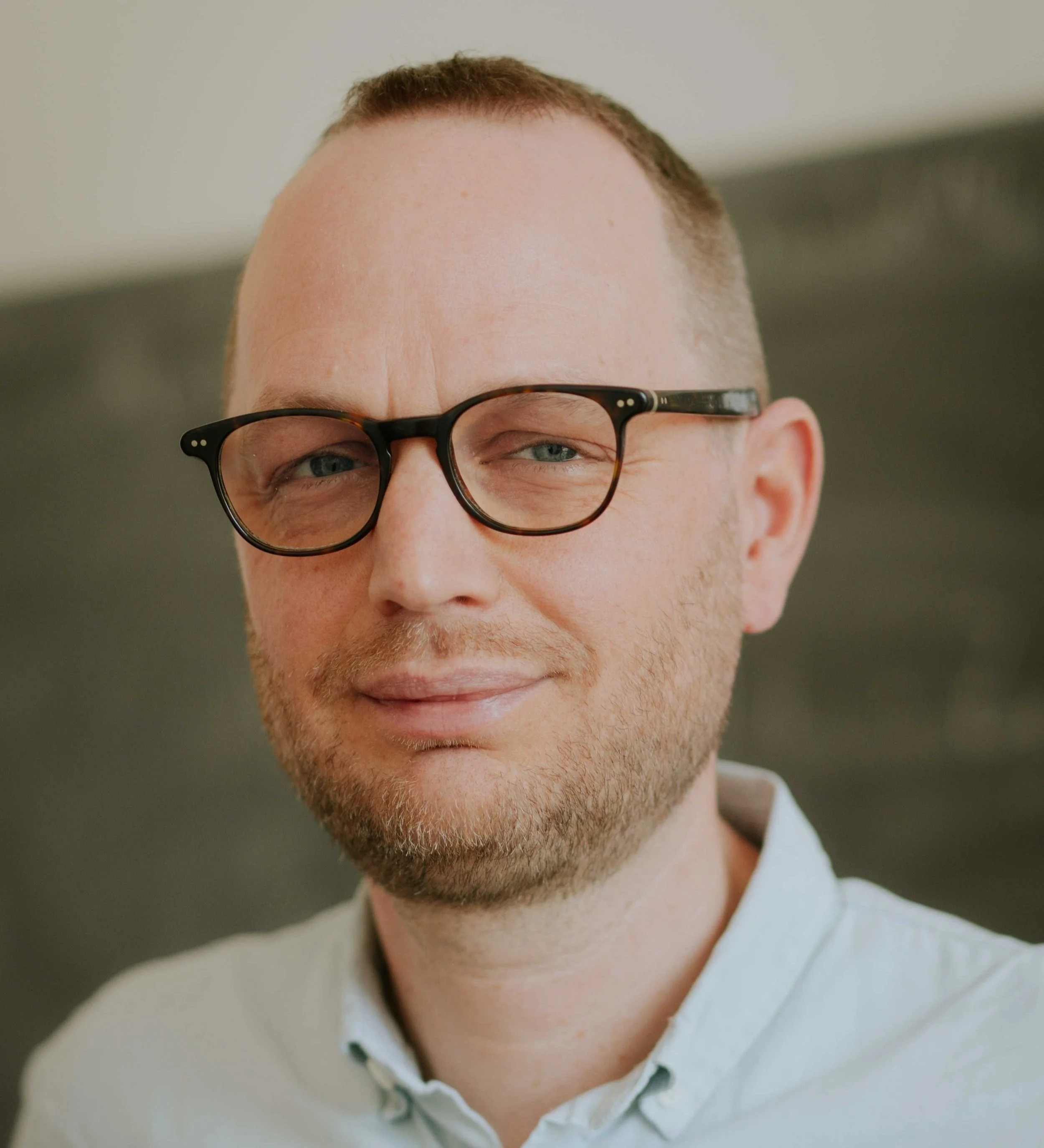
Bastian Bergmann is the Executive Director of the ETH Risk Center. He is the Co-Founder of the ETH FinsureTech Hub which started as an initiative inside the ETH Risk Center and is now with the Department of Mathematics at ETH. His focus is on education and outreach initiatives on Master and Professional Education level.
He has a background in Finance (PhD) as well as a Master in Philosophy. In addition, he has more than five years’ experience in the finance industry.
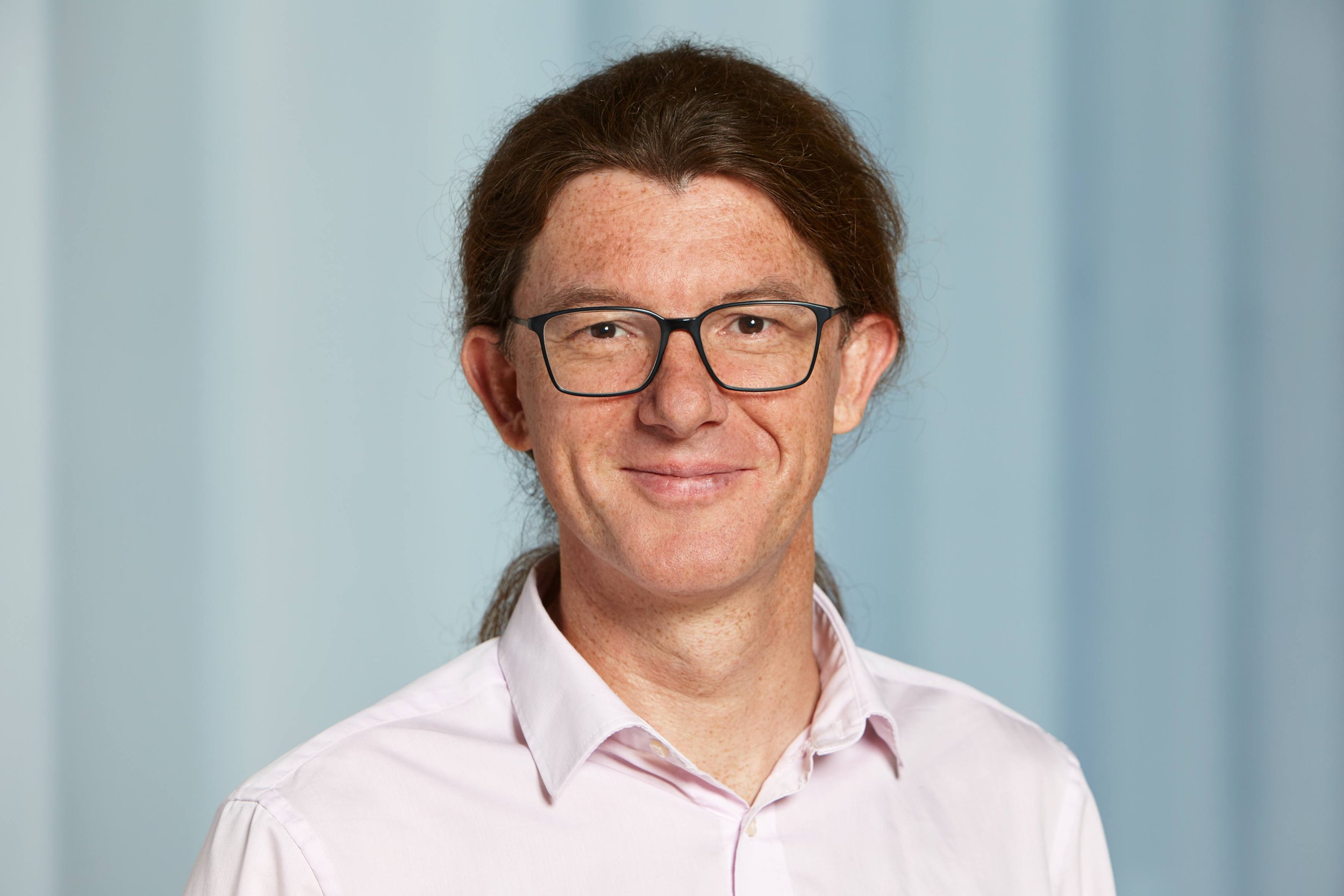
In recent work Josef Teichmann and his co-authors develop machine learning tools for the financial industry. Deep hedging, for instance, is a project conducted jointly with investment bankers, where generic hedging tasks are solved by cutting edge machine learning technology in a fully realistic market environment, i.e. in the presence of market frictions and trading constraints. Further projects include deep calibration, deep simulation, and deep prediction. Theoretical foundations from approximation theory and stochastic analysis accompany successful concrete implementations to make such approaches eligible for industry applications.
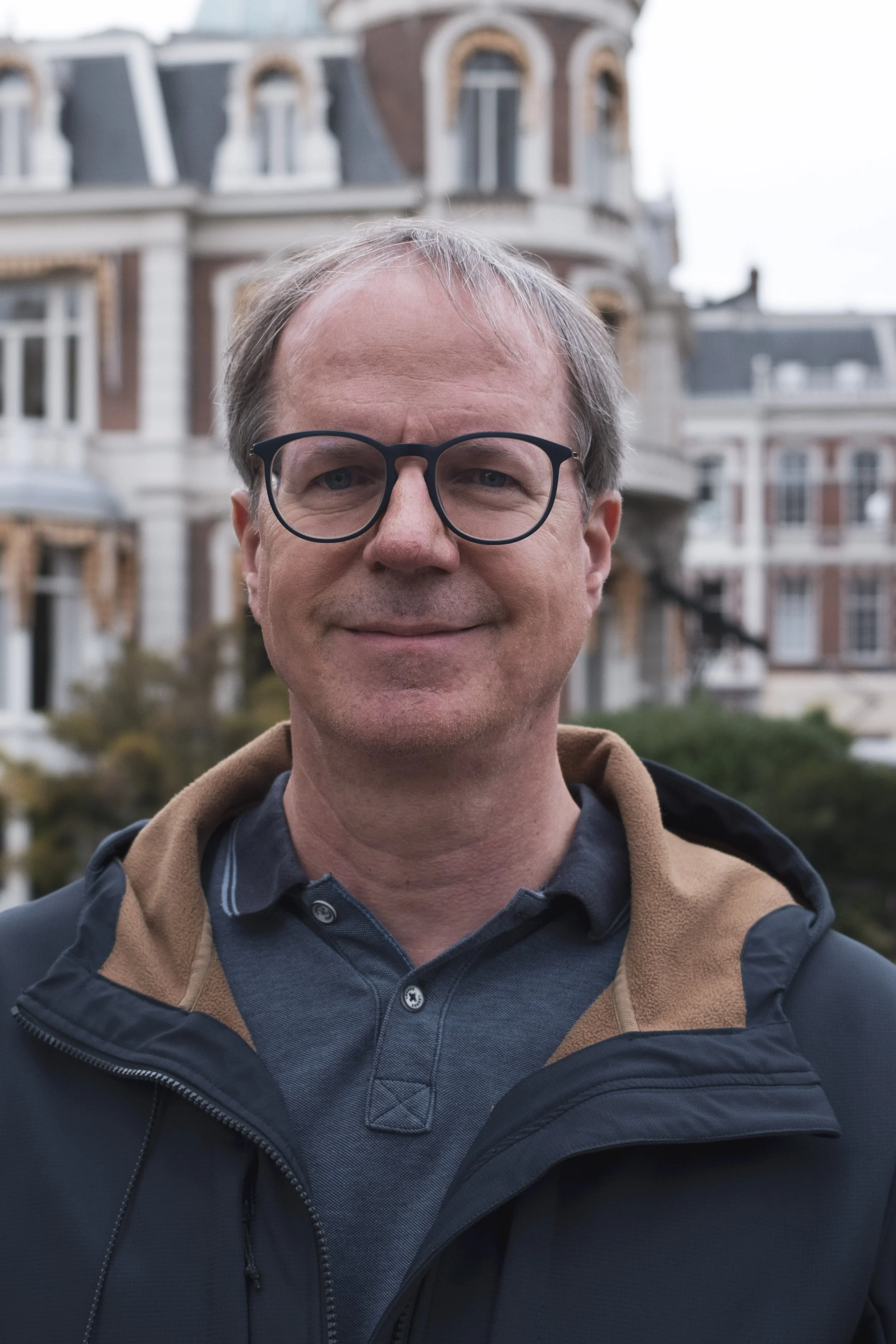
Patrick Cheridito is a professor of mathematics at ETH Zurich. He is the director of ETH’s RiskLab and FinsureTech Hub. He is also a member of ETH’s AI Center and heads the data science group of the Swiss Association of Actuaries. His research interests are in stochastic modelling, mathematical finance, quantitative risk management, insurance mathematics and machine learning.
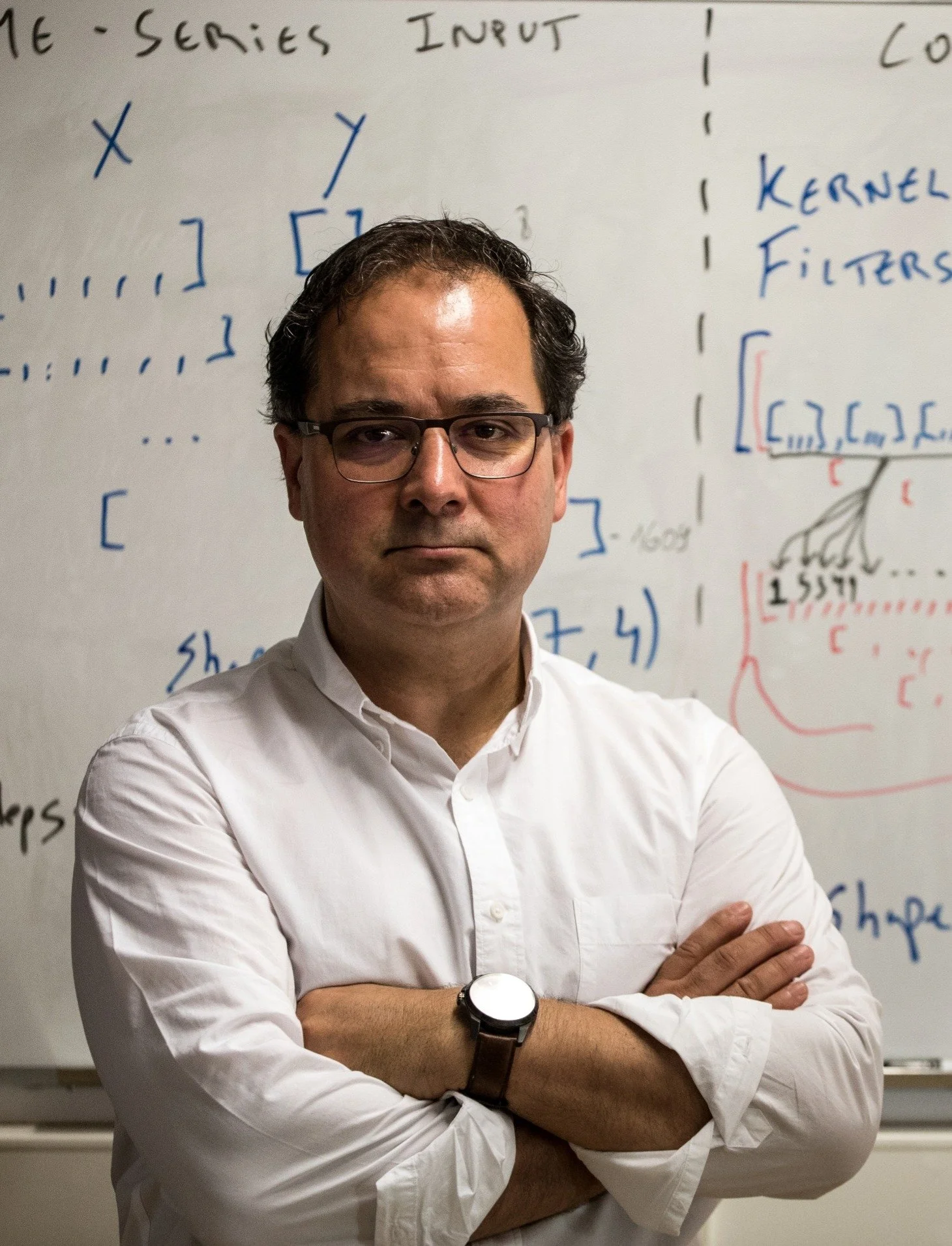
Paulo Novais is a Full Professor in the Department of Informatics and a researcher at the ALGORITMI Centre, School of Engineering, University of Minho. His primary research focus is the design of systems that are increasingly sensitive to human presence, progressively more intelligent, and reliable.
He currently serves as Director of the Doctoral Programme in Informatics and the Master’s in Artificial Intelligence at the School of Engineering, University of Minho. He also coordinates the Associated Laboratory of Intelligent Systems (LASI) and the CAIRNE | Guimarães Office, which constitutes the Portuguese branch of the Confederation of Laboratories for Artificial Intelligence Research in Europe.
He served as President of the Portuguese Association for Artificial Intelligence (APPIA) from 2016 to 2019. He represents Portugal on the Technical Committee on Artificial Intelligence of the International Federation for Information Processing (IFIP), chairs the Portuguese Chapter of the IEEE Computational Intelligence Society, and is a Senior Member of the Institute of Electrical and Electronics Engineers (IEEE). He is also a member of the Executive Committee of IBERAMIA – the Ibero-American Society of Artificial Intelligence.
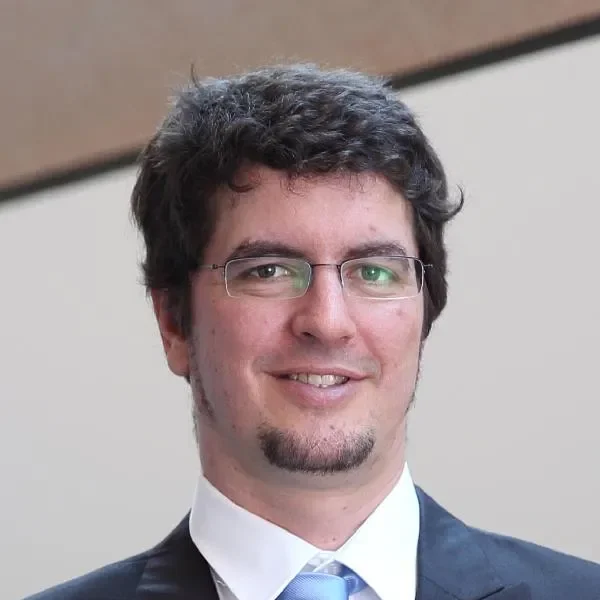
Johannes Schneider is Full Professor of Data Science and Artificial Intelligence at the University of Liechtenstein. He previously conducted research at the industrial research laboratories of IBM and ABB. He earned a PhD and MSc in Computer Science as well as a Master of Advanced Studies in Management, Technology, and Economics – all from ETH Zurich.
His research spans both the theoretical foundations and practical applications of AI and data science. He has received multiple best paper awards, and his work appears in leading venues across computer science, information systems, and business, including conferences such as NeurIPS, AAAI, IJCAI, CIKM, SDM, ICIS, FOCS, and STOC, and journals such as the Journal of the ACM (JACM), Data Mining and Knowledge Discovery (DMKD), European Journal of Information Systems (EJIS), Journal of the Association of Information Systems (JAIS), International Journal of Information Management (IJIM), and Business & Information Systems Engineering (BISE).
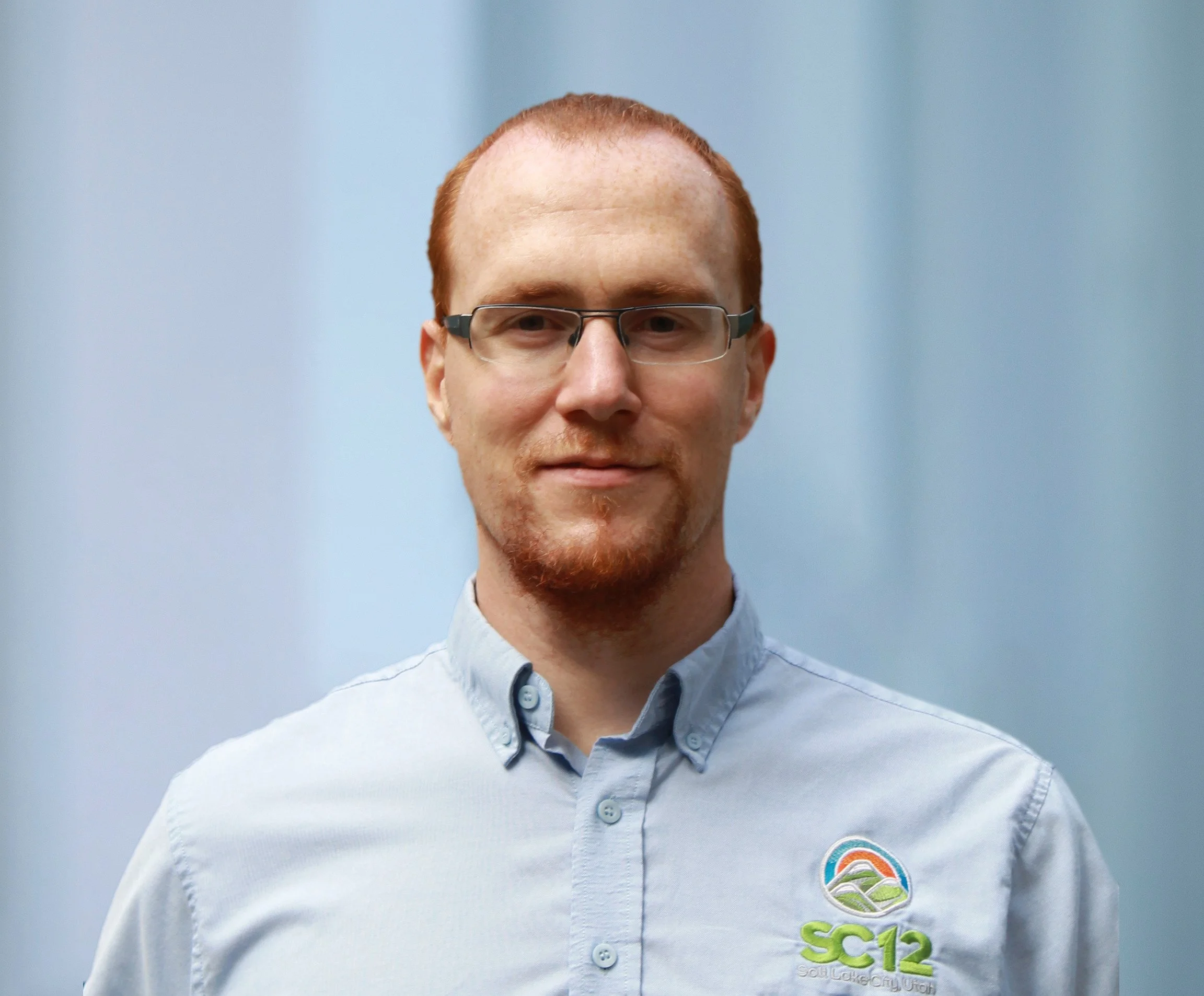
Torsten Hoefler is a Professor of Computer Science at ETH Zurich, a member of Academia Europaea, and a Fellow of the ACM, IEEE, and ELLIS. He received the 2024 ACM Prize in Computing, one of the highest honors in the field. Following a Performance as a Science vision, he combines mathematical models of architectures and applications to design optimized computing systems. Before joining ETH Zurich, he led the performance modeling and simulation efforts for the first sustained Petascale supercomputer, Blue Waters, at the University of Illinois at Urbana-Champaign. He is also a key contributor to the Message Passing Interface (MPI) standard where he chaired the “Collective Operations and Topologies” working group. Torsten won best paper awards at his field’s top conference ACM/IEEE Supercomputing in 2010, 2013, 2014, 2019, 2022, 2023, 2024, and at other international conferences. He has published numerous peer-reviewed scientific articles and authored chapters of the MPI-2.2 and MPI-3.0 standards. For his work, Torsten received the IEEE CS Sidney Fernbach Memorial Award in 2022, the ACM Gordon Bell Prize in 2019, the ACM Gordon Bell Prize in Climate Modeling in 2025, Germany’s Max Planck-Humboldt Medal, the ISC Jack Dongarra award, the IEEE TCSC Award of Excellence (MCR), ETH Zurich’s Latsis Prize, the SIAM SIAG/Supercomputing Junior Scientist Prize, the IEEE TCSC Young Achievers in Scalable Computing Award, and the BenchCouncil Rising Star Award. Following his Ph.D., he received the 2014 Young Alumni Award and the 2022 Distinguished Alumni Award of his alma mater, Indiana University. Torsten was elected to the first steering committee of ACM’s SIGHPC in 2013 and he was re-elected for every term since then. He was the first European to receive many of those honors; he also received both an ERC Starting and Consolidator grant. His research interests revolve around the central topic of performance-centric system design and include scalable networks, parallel programming techniques, and performance modeling for large-scale simulations and artificial intelligence systems.
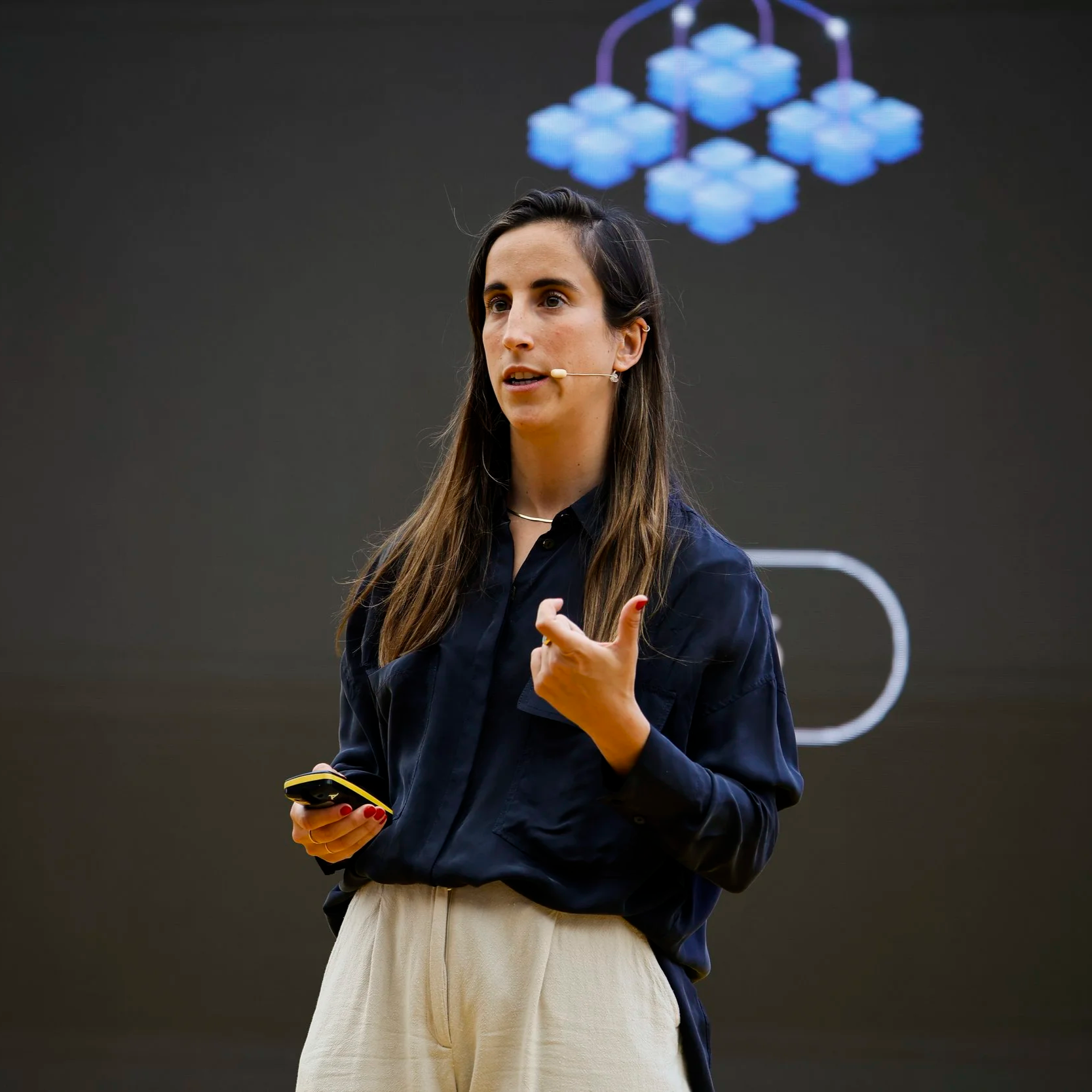
Julia Hernández is a Generative AI Specialist at Google Cloud, supporting Enterprise and Digital Native accounts across Spain and Portugal. Her work centers on architecting and deploying GenAI applications, agentic workflows, and RAG pipelines for startups and large organizations. In her role, she regularly partners with engineering teams to build scalable LLM architectures utilizing Vertex AI, Gemini APIs, and the Google Agent Development Kit (ADK). A former professional football player, Julia brings a disciplined and team-oriented approach to technical problem-solving and engineering leadership.

Mérouane Debbah is a public speaker, educator and technology entrepreneur. He has founded multiple public and industrial research centers, start-ups and held executive positions in ICT companies. He is now Professor at Khalifa University of Science and Technology in Abu Dhabi and founding Senior Director of KU Digital Future Institute. He is a frequent keynote speaker at international events in the field of telecommunication and AI. His research has been lying at the interface of fundamental mathematics, algorithms, statistics, information and communication sciences with a special focus on random matrix theory and learning algorithms. In the Communication field, he has been at the heart of the development of small cells (4G), Massive MIMO (5G) and Large Intelligent Surfaces (6G) technologies. In the AI field, he is known for his work on Large Language Models, distributed AI systems for networks and semantic communications. He received multiple prestigious distinctions, prizes and best paper awards (more than 50 IEEE best paper awards and more than 100 patents) for his contributions to both fields and according to research.com is ranked as the best scientist in France in the field of Electronics and Electrical Engineering. He is an IEEE Fellow, a WWRF Fellow, a Eurasip Fellow, an AAIA Fellow, an Institut Louis Bachelier Fellow, an AIIA Fellow and a Membre émérite SEE. His recent work led to the development of NOOR (upon its release, largest language model in Arabic) released in 2022, Falcon LLM (upon its release, top ranked open source large language model) released in 2023 and the Falcon Foundation in 2024. The Falcon Model Series and The Falcon Foundation have positioned the UAE as a global leader in the generative AI field. In 2024, he pioneered the concept of TelecomGPT, the first comprehensive large language model (LLM) tailored for the telecom domain and was at the heart of new AI models called Large Perceptive Models that integrate multimodal IoT signals, real-time optimization, and intent-driven automation. In 2025, he was named as one of the “50 Leaders at the Forefront of an AI-Driven Future in the Middle East” and “Arab’s Most Influential Leaders in Tech”.

Concetto Spampinato is Full Professor of Computer Engineering at the University of Catania, where he leads the PeRCeiVe.AI Lab and serves as President of the Center for Informatics, Digitalization and Artificial Intelligence (CIDIA). His research spans computer vision, foundation models, explainable AI, continual and lifelong learning, and neuro-inspired artificial intelligence, with particular emphasis on understanding, dissecting, and controlling internal model representations. He has authored over 200 scientific publications in international journals and top-tier conferences in computer vision and machine learning. He has coordinated and participated in numerous national and European research projects in AI and serves regularly as Area Chair and Program Committee member for leading conferences in the field.
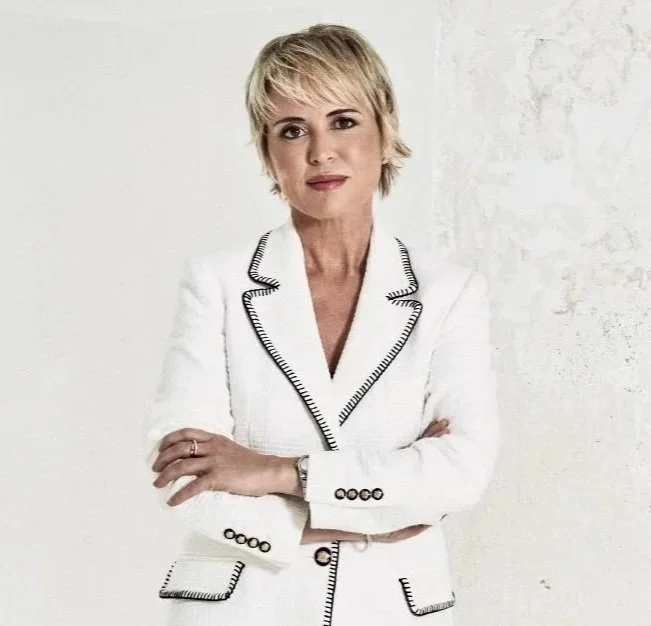
Carme Artigas is a highly regarded leader in AI, big data, cybersecurity, and technology innovation, with over 30 years of experience. She co-founded Synergic Partners, a pioneering European Big Data company, which was acquired by the Telefonica Group in 2015. From 2020 to 2023, she served as Spain’s first Secretary of State for Digitalization and AI, where she played a crucial role in advancing the EU AI Act during the Spanish Presidency of the EU. She is now Co-Chair of the United Nations AI Advisory Body and a Senior Fellow at Harvard’s Belfer Center. Throughout her career, she has held senior positions at Procter & Gamble, the City of Barcelona, and Ericsson, where she led their European venture capital firm. Artigas holds a Master of Science in Chemical Engineering and has completed postgraduate programs at Berkeley and the Max Planck Institute. She has been named an ambassador for Stanford’s “Women in Data Science (WIDS)” initiative and is widely recognized as an international expert in AI regulation and governance.
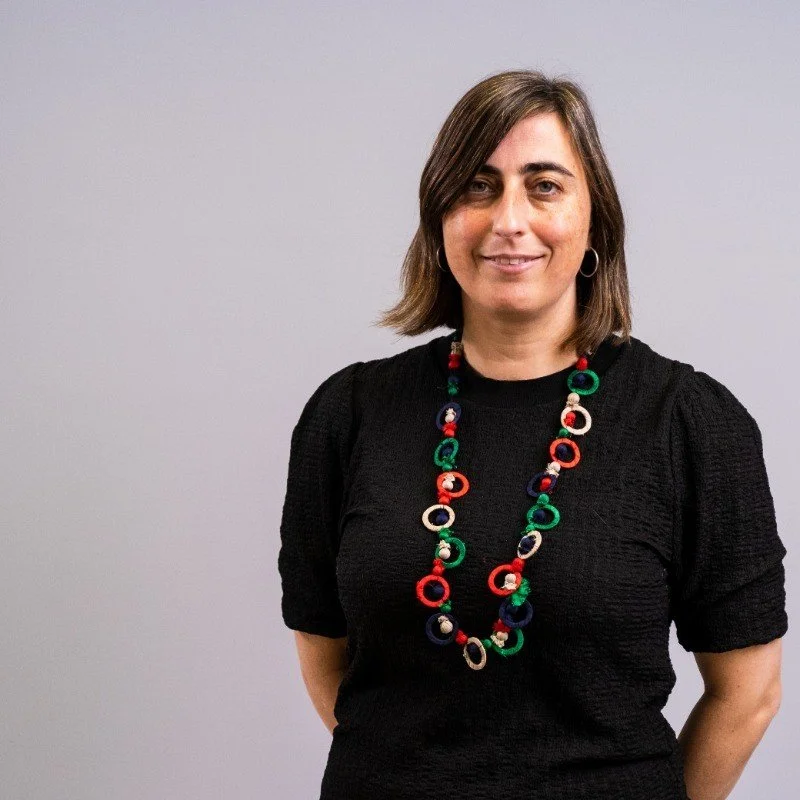
Dr. Emilia Gómez (MSc. Telecommunication Engineering, PhD in Computer Science) is a senior scientist at the European Commission’s Joint Research Centre, where she leads the Human Behaviour and Machine Intelligence (HUMAINT) team, providing technical and scientific support to EU AI policies, notably the AI Act and the Digital Services Act, as part of the European Centre for Algorithmic Transparency. She is also a guest professor in Music Technology at Universitat Pompeu Fabra in Barcelona.
Emilia has a long academic experience in the fields of Music Information Retrieval and Human-Centric Machine Learning. She was the 1st female president of the International Society for Music Information Retrieval, is currently a member of the OECD One AI expert group, an ELLIS (European Laboratory for Learning and Intelligent Systems) fellow, and her work has been recognized by means of citations and honors, e.g. EUWomen4Future, Red Cross Award to Humanitarian Technologies or ICREA Academia.
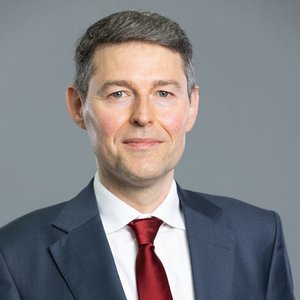
Over the past 25 years, Prof. López de Prado has helped modernize finance by pioneering machine learning and statistical inference methods that are now widely adopted at some of the largest investment corporations. His contributions have earned him several scientific, state, and industry awards, including the National Award for Academic Excellence (1999) from the Kingdom of Spain, the Quant Researcher of the Year Award (2019) from Portfolio Management Research, the Buy-Side Quant of the Year Award (2021) from Risk.net, and the Bernstein Fabozzi / Jacobs Levy Award (2024) from The Journal of Portfolio Management. The Social Science Research Network (SSRN) ranks him among the 10 most-read authors in Economics, and the U.S. Congress has invited him to testify on AI policy. In 2024, His Majesty King Felipe VI and the Government of Spain appointed him Knight Officer of the Royal Order of Civil Merit (OMC), “for distinguished services to science and the global investment industry.”
Since 2011, Prof. López de Prado has been a research fellow at Lawrence Berkeley National Laboratory (U.S. Department of Energy, Office of Science). He has published approximately 100 scientific articles on financial machine learning and statistical inference in the leading academic journals, is a founding co-editor of The Journal of Financial Data Science, and the author of several influential graduate textbooks, including Advances in Financial Machine Learning (Wiley, 2018), Machine Learning for Asset Managers (Cambridge University Press, 2020), and Causal Factor Investing (Cambridge University Press, 2023).
Prof. López de Prado earned a PhD in financial econometrics (2003), and a second PhD in mathematical finance (2011) from Universidad Complutense de Madrid. He completed his post-doctoral research at Harvard University and Cornell University, where he has been a professor since 2015. Prof. López de Prado has an Erdős #2 (via Neil Calkin) and an Einstein #4 according to the American Mathematical Society.
Bio coming soon.
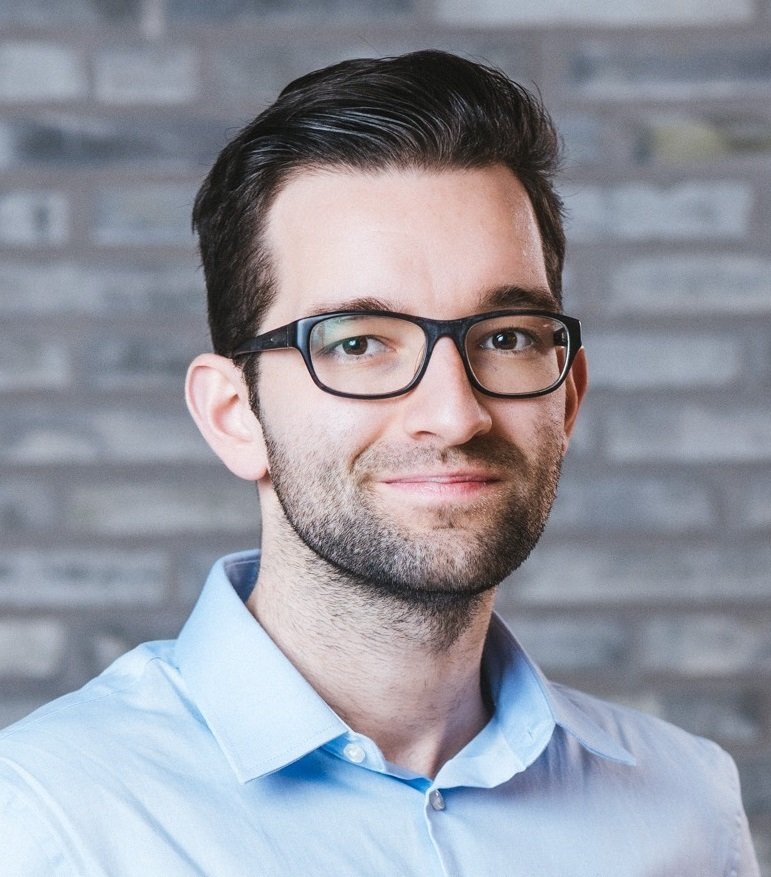
Aaron Conrardy is a PhD student at the Luxembourg Institute for Science and Technology with a background in computer science. His research focuses on leveraging software engineering techniques to democratize the development of adaptive user interfaces by integrating AI technologies into everyday applications. Specifically, he investigates the creation of inclusive user interfaces that adapt to factors such as accessibility needs, language proficiency, emotion, and other user characteristics.
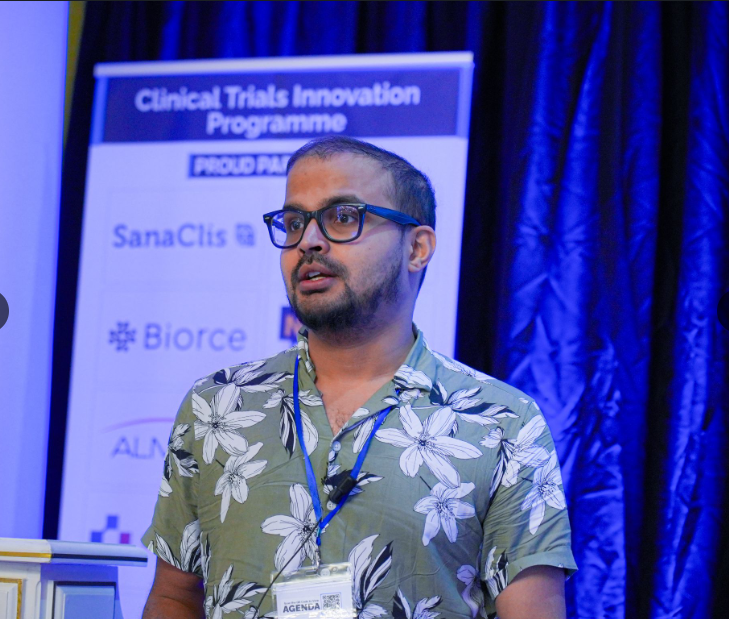
Dr Arijit Patra is a Senior Principal Scientist at UCB UK and a Honorary Senior Lecturer (Associate Professor) at the University of Glasgow. He holds a PhD in machine learning for healthcare imaging from the University of Oxford, where he was a Rhodes Scholar (India & Exeter, 2016). Prior to that, he completed a dual degree in Mechanical Engineering from the Indian Institute of Technology (IIT) at Kharagpur, India. He has also been associated with AstraZeneca, Shell, Microsoft Research and CSIR-South Africa at various points in his career and has been actively involved in the AI4SG (AI for Social Good) community, and was an invited expert to the UK-India Track 1.5 Dialogues on technology security and diplomacy. He has authored several publications around machine learning and medical imaging and is a reviewer for multiple peer reviewed venues such as NeurIPS, ICML, MICCAI and several journals, and has spoken at more than 50 conferences, panels, trade and multilateral events, and allied venues. Arijit has been appointed as a Rising Leaders fellow of the Aspen Institute UK, and as an International Strategy Forum fellow in 2024, and won the Society of Toxicology RSESS Award in 2026.
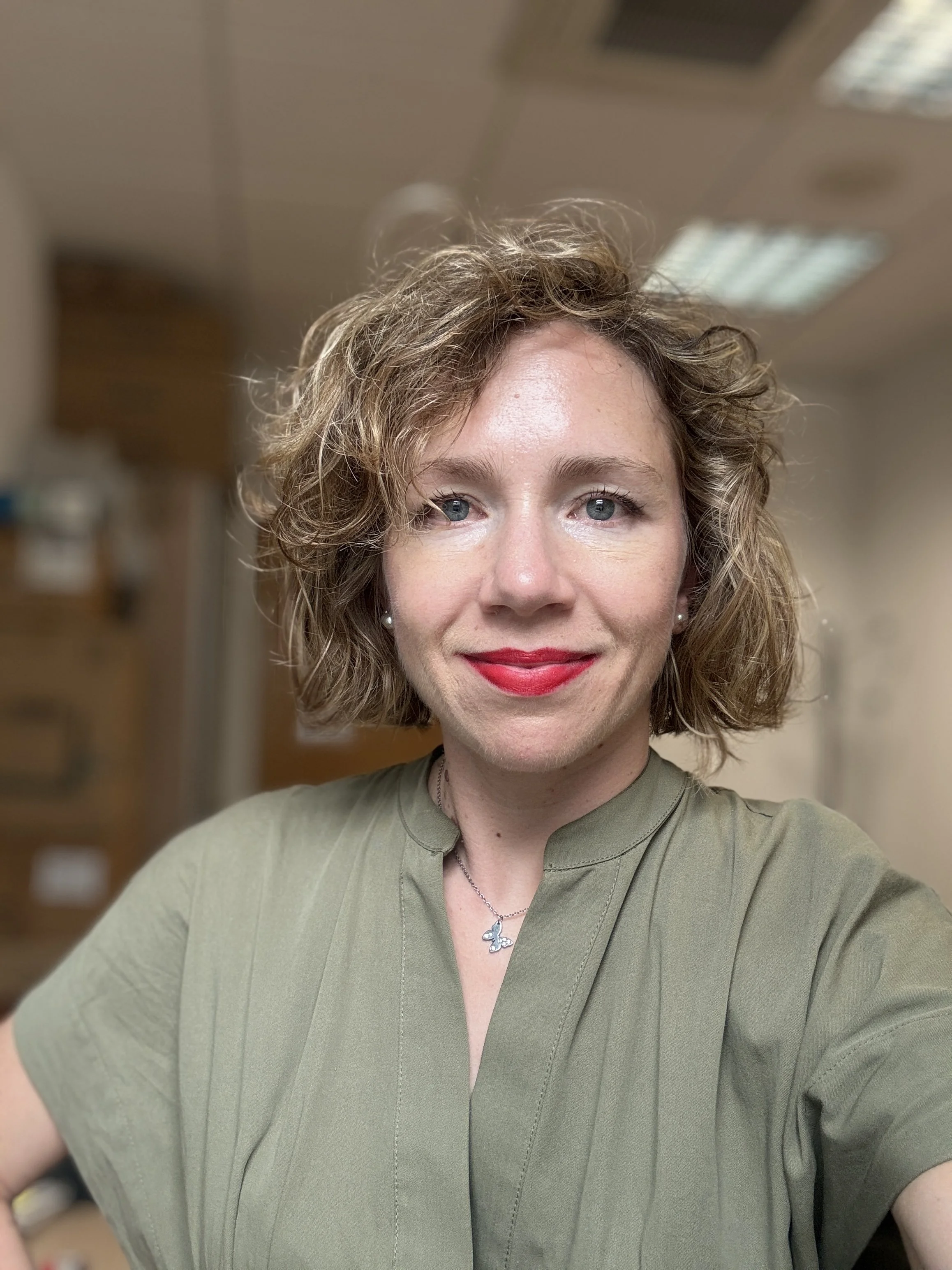
Natalia Díaz Rodríguez has a double PhD from University of Granada (Spain) and Åbo Akademi University (Finland) and is associate professor at the DaSCI Andalusian Research Institute in data science and computational intelligence (DaSCI.es) at the Dept. of Computer Science and AI of the University of Granada (Spain) since 2024. Earlier, she was Marie Curie postdoctoral researcher; and Prof. of at the Autonomous Systems and Robotics Lab at ENSTA, Institut Polytechnique Paris, INRIA Flowers team on developmental robotics, and worked on open-ended learning and continual/lifelong learning for applications in computer vision and robotics. She has worked in industry, academia and gubernamental institutions in Silicon Valley, CERN, Philips Research, University of California Santa Cruz and NASA. She cofounded the non-profit ContinualAI.org and worked doing Responsible AI Governance industry assessments and writing the guidelines for the regulatory sandbox pilot of the AI Act for the Spanish Secretary of Estate. She received multiple prizes (among others, from the Royal Academy of Engineering to Young Research Scientists) and is listed in the «Ranking of the World’s Top 2% Scientists» from Stanford University (California) that identifies the most relevant scientists in the world according to the impact of their publications’ citations.
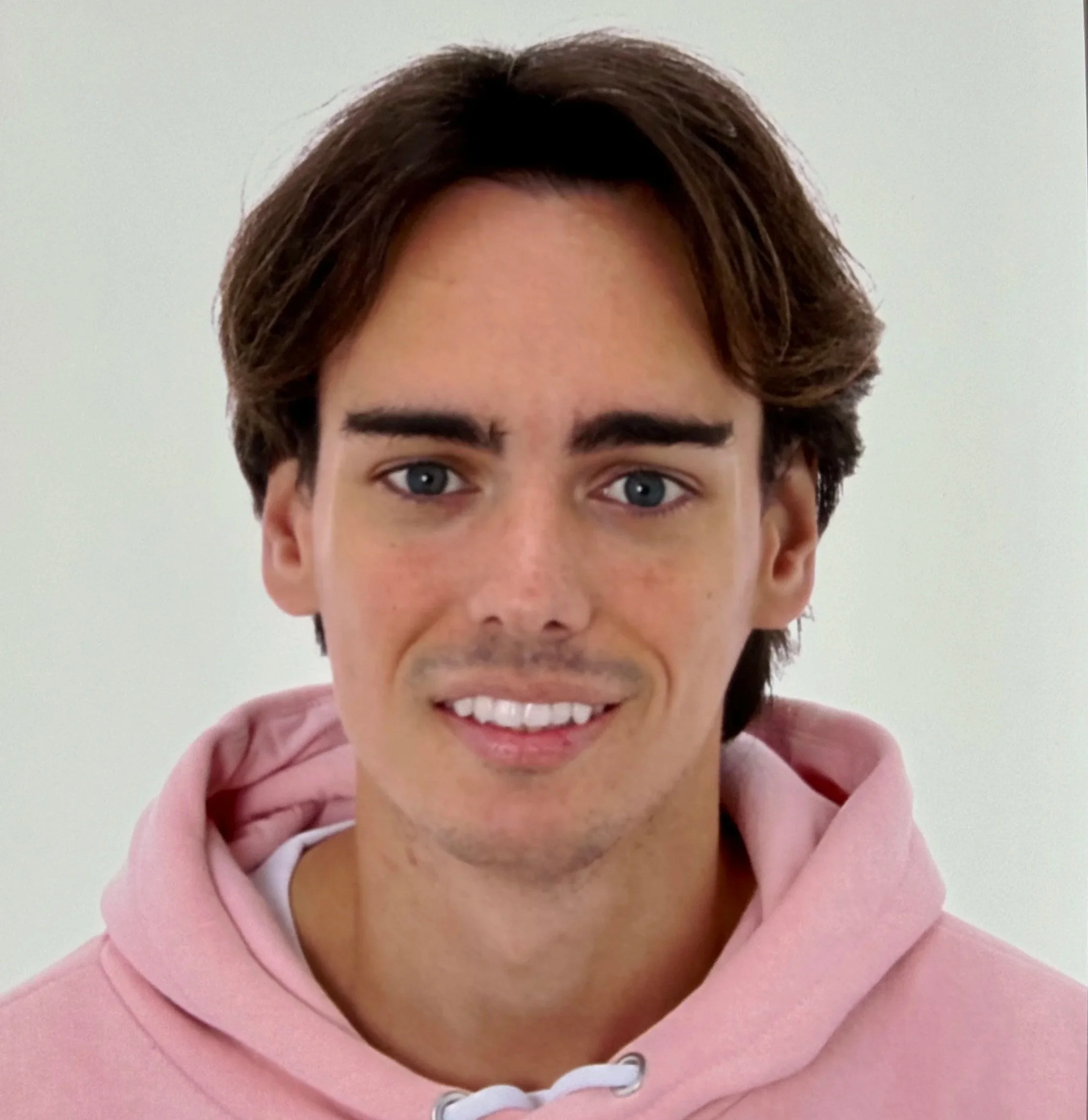
Oier Mentxaka is a PhD researcher at the University of Granada (UGR), specializing in AI governance and the auditability of high-risk AI systems. His work focuses on developing practical auditing methodologies aligned with emerging regulations and standards, including the EU AI Act and ISO/IEC 42001. He examines how requirements such as accountability, transparency, and risk management can be translated into concrete audit criteria, evidence, and processes applicable to real-world deployments, particularly in high-impact public-sector contexts.
Bio coming soon.
Bio coming soon.
Bio coming soon.
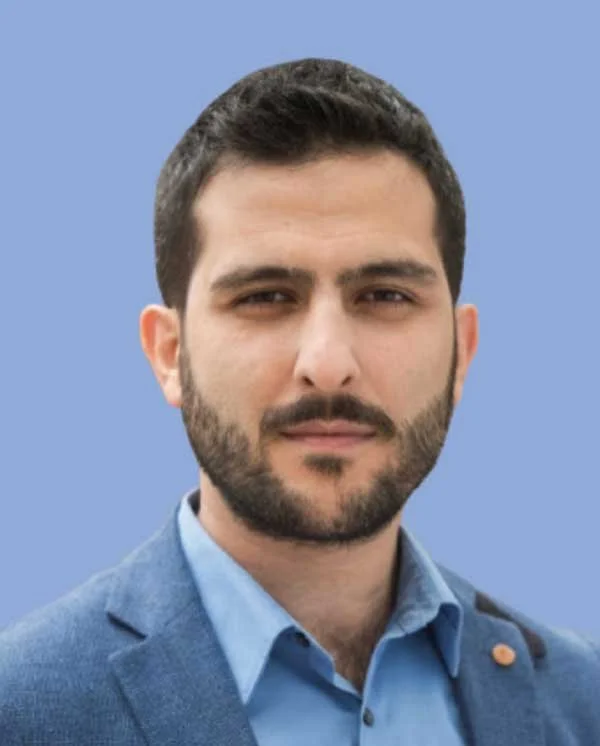
Dr. Simsekler is an Associate Professor and Acting Chair of the Department of Management Science & Engineering at Khalifa University of Science & Technology. He earned his PhD from the University of Cambridge, during which he was a visiting researcher at the Center for Medical Innovation System at the University of Tokyo and the Center for Patient Safety and Quality Research at Boston Children’s Hospital (a teaching hospital of Harvard Medical School). He holds visiting fellow appointments at Boston Children’s Hospital, University College London (UCL) School of Management, and ADIA Lab.
Dr. Simsekler’s research focuses on health systems design and management to improve operational performance and patient safety. Using design thinking, systems thinking, and analytical modeling, his work explores AI-driven, human-centered digital technologies that enhance organizational resilience, support risk-based decision making, and inform health policy and economics. His current research examines human–AI interaction and technology adoption in healthcare, emphasizing usability, explainability, and causality to support responsible and safe AI-based decision-support systems in sociotechnical settings.
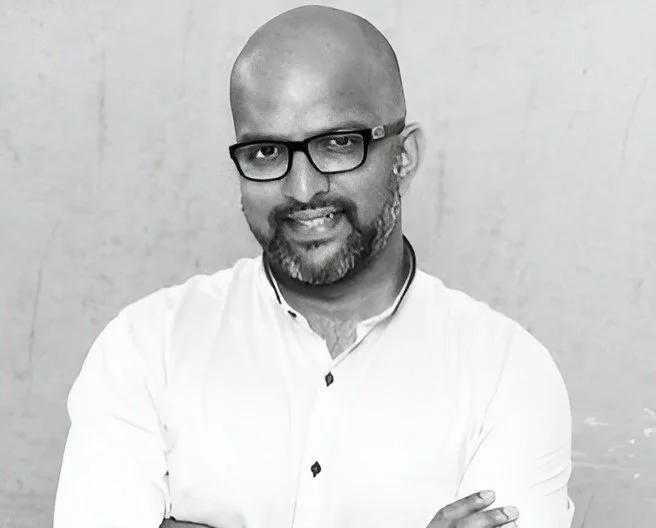
Rajat is a distinguished faculty member in AI at Weill Cornell Medicine in Qatar. He leads the Thomas Lab for AI in Healthcare where his team focuses on translational AI working alongside major hospitals in Qatar. Holding a PhD in computational astrophysics, Rajat’s early work explored the structures of the early universe. His interests later shifted to Neuroscience and subsequently to machine learning and AI. Rajat has authored numerous peer-reviewed papers in Astrophysics, Neuroscience, and Machine Learning. Currently, he focuses on applying AI solutions in clinical settings and everyday life. Additionally, Rajat co-founded a successful AI company in agriculture, demonstrating his versatility and impact in various fields.